
Yamaha 200hp Fuel Pump change one or two ?
Here is the accurate and professional English translation of the provided text, using standard marine engineering and export trade terminology:
This classic Yamaha 2-stroke 200HP outboard motor fuel pump (OEM Part No. 6E5-24410-00, commonly used on high-horsepower V6 engines) is a self-contained, independent mechanical pulse fuel pump featuring a standard "one inlet, one outlet" design.
You do not need to purchase two separate pumps to handle the inlet and outlet functions. The operating logic of a single fuel pump is as follows:
1. Interface Structure of a Single Fuel Pump
If you inspect this fuel pump closely, you will typically find three connection points (or ports):
Inlet Port (IN): Connects to the fuel line coming from the fuel tank or water-separating fuel filter, responsible for drawing the gasoline in.
Outlet Port (OUT): Connects to the fuel line leading to the carburetors or fuel rail, responsible for pumping the gasoline out.
Pulse Port / Vacuum Port (on the rear): This pump is usually flush-mounted directly onto the engine crankcase. It requires no electrical power; instead, it utilizes the alternating positive and negative air pressure (pulses) generated inside the 2-stroke engine crankcase during operation to drive the internal rubber diaphragm up and down, thereby achieving unidirectional fuel suction and delivery.
2. Why Do You See Two Fuel Pumps on a V6 200HP Engine?
This is likely what caused the misunderstanding. On large Yamaha 2-stroke V6 engines (such as the 150HP, 175HP, and 200HP models), the original manufacturer installs 2 or even 3 identical 6E5-24410-00 fuel pumps in a parallel (or series) configuration. This setup is necessary due to the high horsepower and heavy fuel consumption, ensuring an adequate and uninterrupted fuel supply at high RPMs.
Their Roles: Each of these fuel pumps is fully capable of handling both the inlet and outlet functions on its own.
How They Work: They connect to the pulse ports of different cylinders and work in tandem. The inlet lines of the multiple fuel pumps are linked together via T-connectors (main fuel inlet), and the outlet lines are similarly merged using T-connectors (main fuel outlet) to collectively supply fuel to the engine.
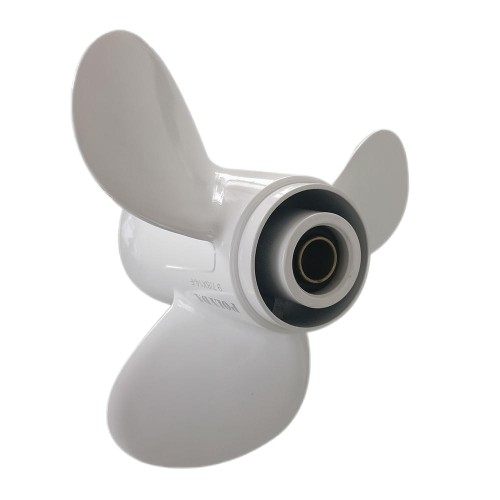
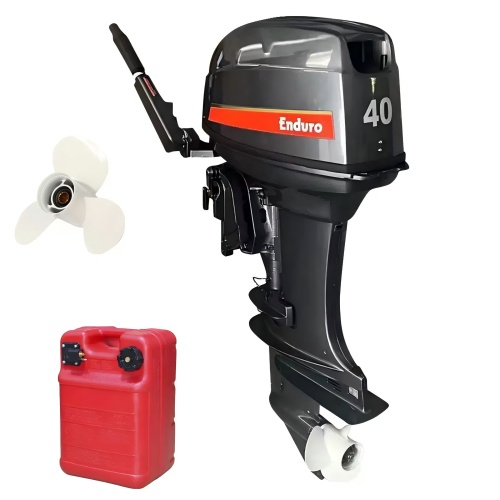
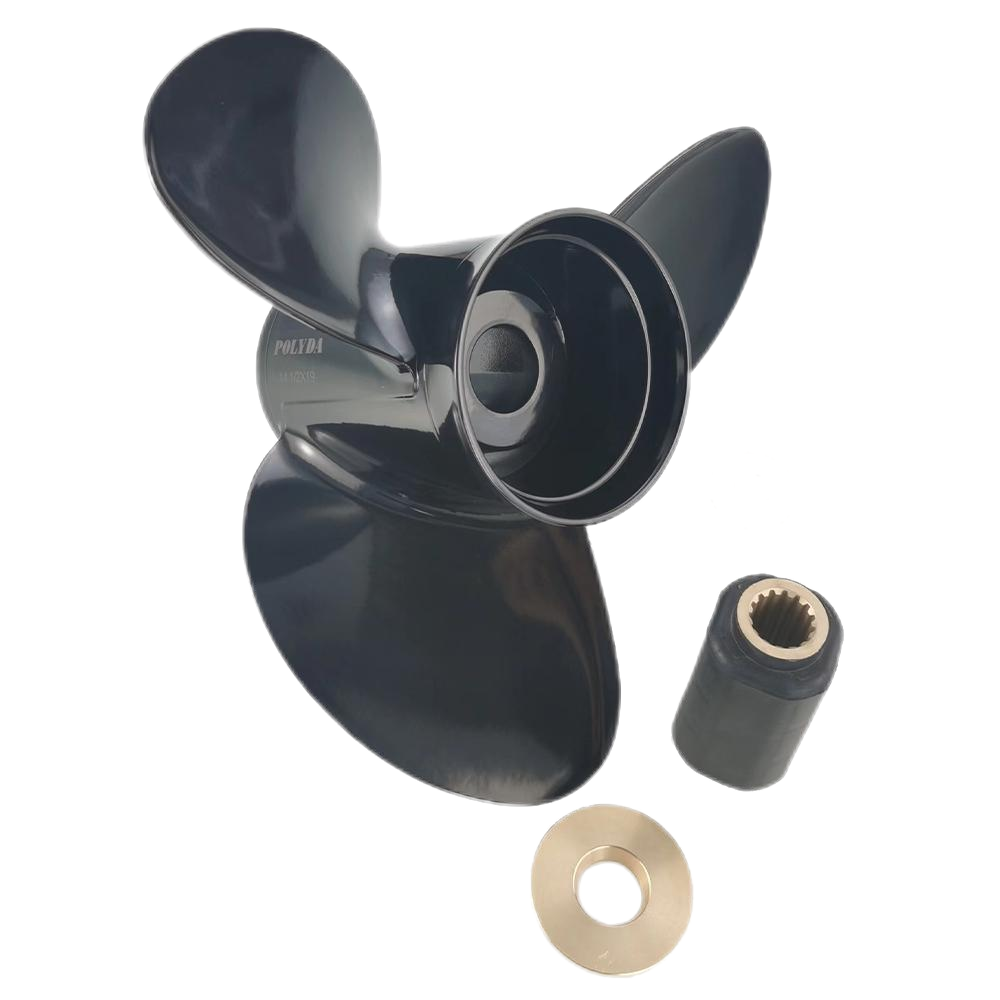 choose correct propeller